


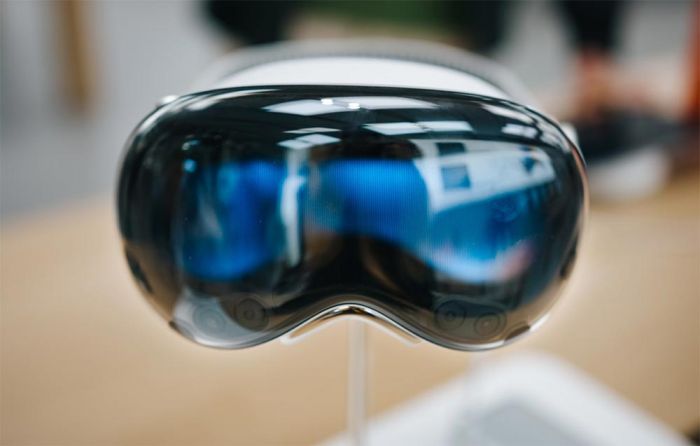
BANGSAONLINE.com - Wearables in 2025 no longer feel like tiny phones. Smartwatches and lightweight glasses now act as quiet co-pilots that notice context, surface the next action, and trim decision time. The second screen is not a distraction. It is a guardrail that keeps focus steady while tasks keep moving.
Good co-pilots reward disciplined choices. Quick signal, short gesture, clean result. The pattern mirrors high-pressure microgames, where timing and odds matter. Even a diversion such as teen patti casino illustrates the lesson well. Small bets of attention become meaningful outcomes when information arrives just in time and exits just as fast.
What a Wearable Co-pilot Actually Does
A mature wearable workflow does more than mirror notifications. It reads schedule density, senses location, and infers intent from motion and recent activity. The watch becomes an immediate gatekeeper for micro-approvals and haptic nudges. Glasses become a heads-up overlay for directions, specs, and safety prompts that should not wait for pocket retrieval.
Core Jobs That Earn a Place on the Wrist or Lens
- Prioritize alerts by intent so only deadlines, travel changes, and mission-critical pings break through
- Offer single-tap approvals for calendar moves, purchase limits, or access requests with logged context
- Provide glanceable timelines that show the next three blocks, not the next three days
- Translate ambient data into actions such as start a timer, save a note, or capture a photo with metadata
- Keep all interactions sub five seconds so attention returns to the primary task quickly
Short, predictable loops turn the wearable into a trustworthy switchboard. After a few sessions, muscle memory takes over and cognitive load drops. The result is less context switching and fewer abandoned tasks.
Design Principles for a True Second Screen
A wearable co-pilot must respect the main canvas. Phones and monitors host deep work. The wrist and lens host just-in-time fragments that keep deep work uninterrupted. This means ruthless scoping. No long reads. No complex forms. No sprawling menus. A clean rule set keeps the platform honest.
Context is the secret advantage. A meeting room signals quiet mode and subtle haptics. Transit triggers offline bundles for maps and documents. Outdoor motion raises contrast and enlarges tap targets. When the device knows enough to pre-trim choices, every interaction feels like a shortcut rather than a new task.
Security cannot be an afterthought. Biometric unlock, device proximity checks, and short-lived tokens protect approvals while keeping speed. Audit trails tie each gesture to a time, place, and app identity. The co-pilot earns trust by showing what was used, why it was suggested, and how to undo it.
Field Uses Across Roles
Klik Berita Selanjutnya
Cek Berita dan Artikel yang lain di Google News